

The U.S. economy has recently exhibited modest growth, with the Gross Domestic Product (GDP) increasing at an annualized rate of 1.5% in the second quarter of 2026. This marks a slowdown from the 2.1% growth observed in the first quarter. A significant factor contributing to this deceleration is a surge in imports, which has offset robust consumer spending and business investments, particularly in artificial intelligence sectors.
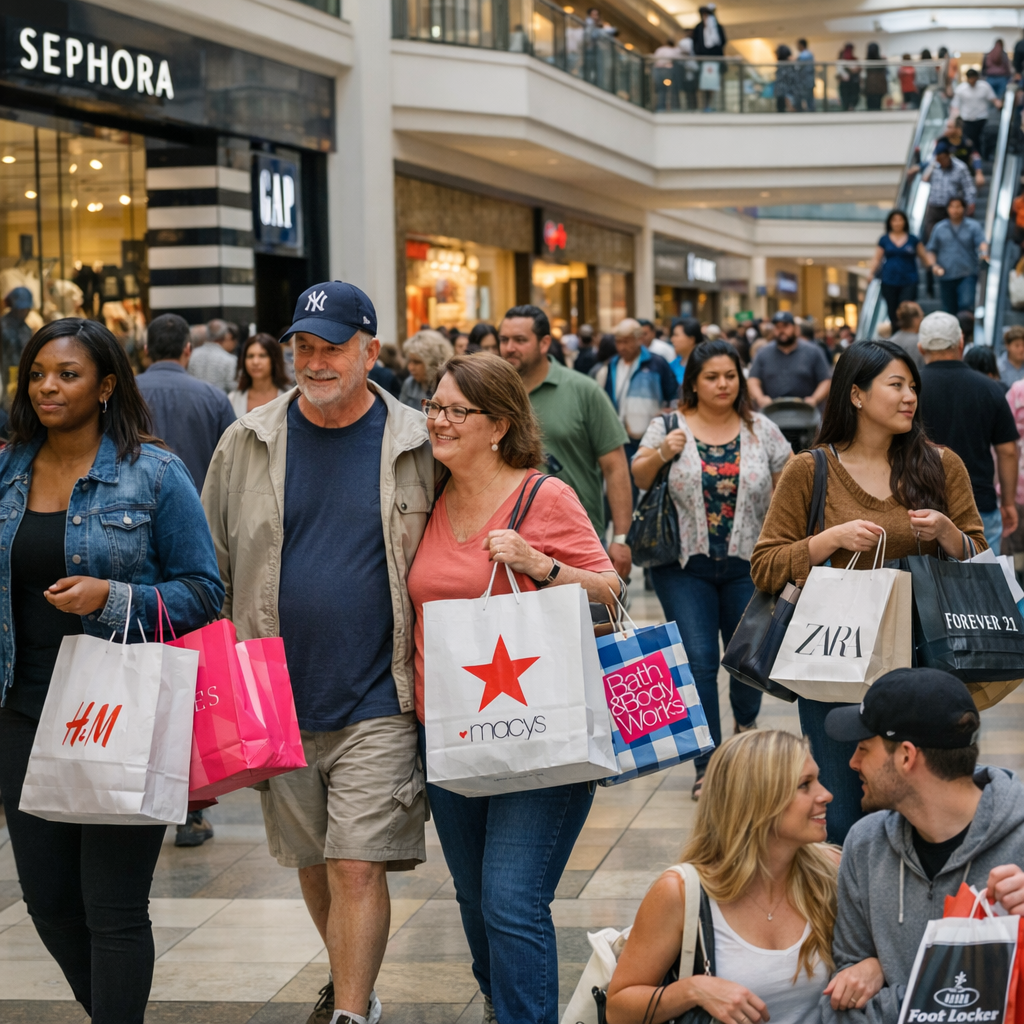
Consumer spending, a major component of GDP, accelerated to a 3.2% annualized pace, up from 0.5% in the previous quarter. This uptick reflects a resilient job market and increased business investments. However, the rise in imports has had a dampening effect on overall economic growth.
Inflation remains a concern, with the Federal Reserve’s preferred gauge, the Personal Consumption Expenditures (PCE) price index, showing a 3.7% year-over-year increase. Core inflation stands at 3.3%, still above the long-term target of 2%. In response, the Federal Reserve has maintained interest rates at 3.6%, though internal debates suggest some officials advocate for rate hikes to address persistent inflation.
For residents of Santa Rosa, these national economic trends have tangible local implications. The combination of modest economic growth and persistent inflation can affect household budgets, influencing decisions on spending, saving, and investing. Additionally, the Federal Reserve’s stance on interest rates may impact mortgage rates and borrowing costs, factors that are particularly relevant in our community’s housing market.
Staying informed about these economic developments is crucial for making sound financial decisions. As the national economy navigates these challenges, understanding their local impact can help Santa Rosa residents adapt and plan effectively.